


Fresh Start, Stronger Bonds
Local experts share practical strategies for transforming your relationships in the new year — from romantic partnerships to the one you have with yourself
By Cynthia Reeves / Photos by Kate Treick Photography

“The best thing to hold onto in life is each other.” — Audrey Hepburn
That sentiment sums up so much about relationships. We do need each other to be happy and fulfilled.
As we embark on a new year, improving current relationships or developing new ones often takes center stage. We may strive to improve our marriages, strengthen friendships and partnerships, get along better with co-workers or maybe the goal is to love ourselves more authentically.
Just making a list of resolutions doesn’t cut it. Often, we need guidance from someone who knows more than we do: a therapist, counselor or life coach.
Relationship Training
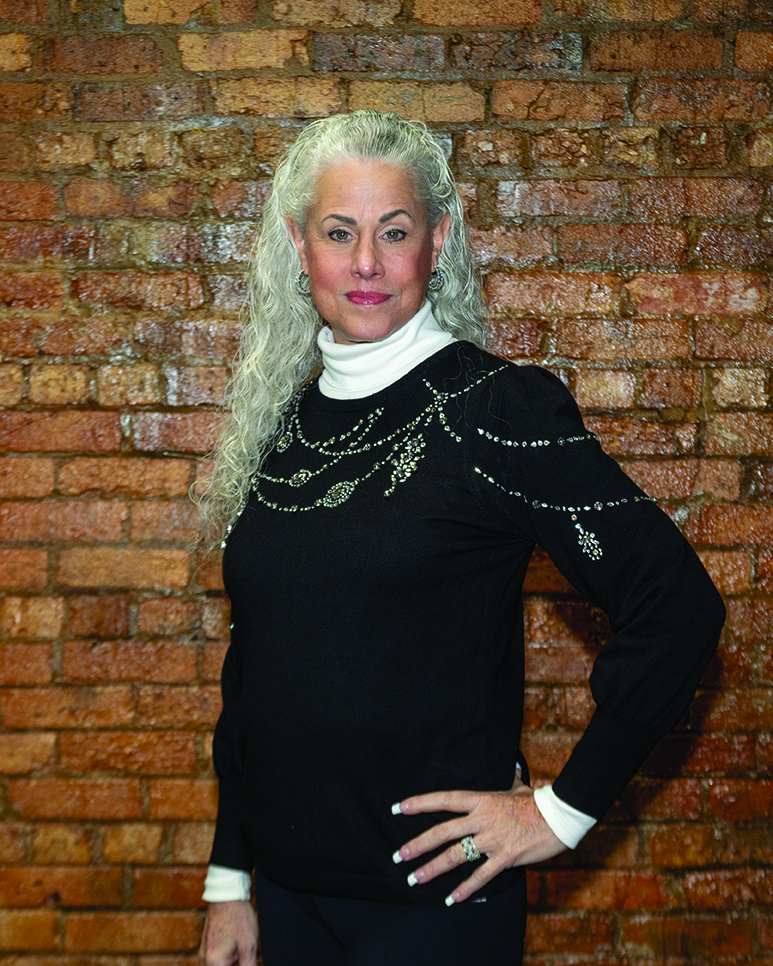
— Bayside Marriage Counseling relationship trainer Julie Nise
Relationship trainer Julie Nise compares reinventing a relationship to learning how to be a better cook. If all you have is the same set of old recipes, you’re not going to grow. Couples who are struggling need a fresh approach and a new set of skills.
“I don’t need to talk to you about how your mother always opened a can of beans — instead, let’s make fresh food.”
Nise believes relationships need “fresh food,” or new tools that can be implemented and put into action
She says the old adage that “Insanity is doing the same thing over and over again and expecting different results” rings true because most couples repeat the same mistakes over and over again.
“Keep doing the same thing and you keep getting the same result.”
Traditional therapy often focuses on a person’s past, but may not make a marriage or relationship stronger. If a traditional therapy route doesn’t seem to be helping, she recommends a training program.
“Analyzing and labeling the past doesn’t fix anything. That’s like rubbing your nose in all the stuff that didn’t work — like your pain and suffering.”
At Bayside Marriage Counseling in Pensacola, she offers relationship programs that are “advanced, results-oriented and no-nonsense.” As a trainer for twenty years, she’s seen results with thousands of couples.
Genius Thinking
Nise uses a term she calls “genius thinking” to help couples at a crossroads. The idea is to think about the good things that could be instead of dredging up old arguments.
She encourages a new thought process: “I don’t want to think about something in a negative way; I want to think there should be a positive.”
Some examples of tools she uses in training are:
• Problem argument resolution
Mistake: always trying to be right
Fix: start with solutions only
• Forgiveness
Mistake: carrying around resentment
Fix: emotionally let go once the issue is resolved
• Letting go of the past
Mistake: seeing the past only as a learning experience
Fix: let go of guilt and shame
• Understanding the opposite sex
Mistake: using the same skill set you had in high school
Fix: learn to appreciate differences and work as a team
Nise often observes that the people who do best in relationships grew up in situations where teamwork was celebrated. People who find themselves thinking and working more independently may struggle, but there is hope.
BEING VULNERABLE
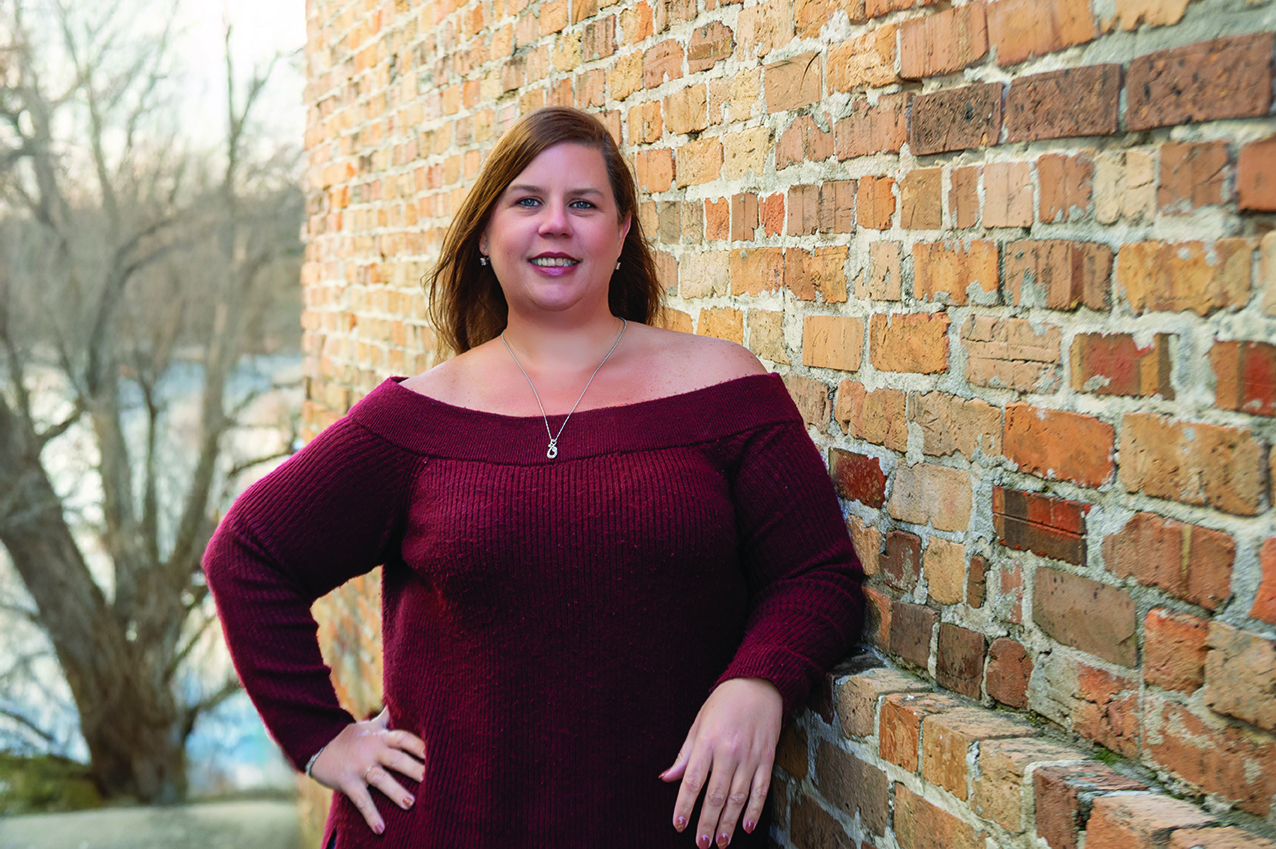
Angie Randall of Positively Persistent Life Coaching in Pensacola believes vulnerability is key to any relationship.
“When we feel unable to truly open up to new people and new experiences, it greatly inhibits our lives moving forward.”
Without vulnerability, a person can become isolated. She says isolation is a leading cause of depression and suicide. We all need to have and improve interpersonal relationships.
“We’re created to need interpersonal relationships the same way we need air.”
Interpersonal relationships are defined as any type of relationship, whether it be a romantic relationship, a friendship or a working relationship.
In addition to thinking about improving those relationships in the new year, Randall thinks we can also look inward and work on fine-tuning our relationship with ourselves.
“We have to realize our own shortcomings to create a path to move forward.” She believes hiring a life coach can help an individual with that emotional growth.
“Emotional growth comes from saying — you know what, I’m really struggling with vulnerability, or I really have some trust issues. I realize this is going to be a problem for me, so I’m going to be proactive and get some help with that.”
PRACTICE GRATEFULNESS
Randall says a simple step she practices in her own life is to think about what she’s grateful for first thing each morning.
“I know it sounds cliché — people say it constantly — but it works. You can’t think negatively when you’re doing something positive, so be grateful for what you have. Be thankful for another day and for the ability to work and support yourself.”
Randall’s advice is to find a way to practice gratefulness that works for you. It only takes a few seconds. Some people like to journal; others pray.
“I’ve heard of people using a phone’s recording app to capture and transcribe their thoughts so they can review them later.”
SET BOUNDARIES AND
LOOK FOR SUPPORT
On the road to improving your relationship with yourself, Randall acknowledges there are some people whom you simply cannot depend on for support and must set boundaries with or walk away from.
“I generally tell people when you’re trying to better yourself, the people that you surround yourself with are essential in whether or not you succeed in your goals.” The first thing is to decide who you want to let in.
“For example, you may have negative, toxic family members you know won’t be supportive before you even speak. Maybe they laugh at you or roll their eyes. Those are people I’m not going to include in my plan.”
Hard as it is, she says you may have to keep those people at a distance.
“You can love people from a distance. I choose who to share my most intimate desires with and only open up to those who are going to be supportive. I will inform them if they cross a boundary of mine and put distance between us.”
CREATE STRONGER BONDS
Randall says another step to improving relationships reaches beyond personal growth and extends to others.
“Sit down and think about the individuals that you want to create a stronger bond with and build on that.”
For example, let’s say you want to improve your relationship with a coworker. Her advice: Look into what makes that person tick and ask yourself, “Can I authentically give this person what they need?” Just be sure to be authentic, not fake. If they thrive on positive emails from the boss, maybe you can offer positive affirmations.
Randall says, “If the answer is, they like hugs, but I don’t know if I can do that, then the next question is, what can I do?”
UNDERSTAND COMMUNICATION STYLES
In any relationship, whether with a co-worker or a romantic relationship, Randall says recognizing communication styles is vital.
“Knowing that about your spouse is also key because your communication style may be very different from theirs.”
She adds that your attachment style can be very different as well. “If you approach them in a way that makes them defensive and unwilling to talk, it will block any chance of a communication breakthrough.” This is where it is important to understand their love language.
She recommends reading, among other books, the classic relationship book by Gary Chapman, “The Five Love Languages: Secrets to Love That Lasts.”
The goal is to approach relationships in a mature way, so you can have meaningful conversations.
“Many people enter a relationship under the influence of the oxytocin ‘love bug.’ They believe they’re in love without truly knowing their partner.”
Randall cautions, “When you feel like you’re giving too much—or like you’re the only one giving—that’s a big red flag that a conversation is needed. Whether it’s a one-on-one talk, counseling, or another approach, it still needs to be addressed because it won’t just go away.”
SEEK HAPPINESS
Nise believes the key to redefining relationships is to do what you can to make the other person happy, and that means a coordinated effort to learn what makes a spouse, partner or friend feel good and acting on it.
For example, if you want to get closer to a friend who loves ice cream, invite them out to an ice cream parlor. Use that understanding of them to gently get them out of the house and into a conversation, then work on the relationship.
She believes putting forth this extra effort gives you leverage. If you understand the person, “You’re doing the highest and best good for the person and relationship ... doing whatever you can to make the other person happy.”
In summary, no matter what type of relationship, find a way to make an authentic, loving connection.
“Loving someone is not about how YOU feel, but how you make the other person feel.”
Recommended Relationship Books
“The Five Love Languages: The Secret to Love That Lasts” by Gary Chapman
“Attached” by Amir Levine, Rachel Heller
“Mating in Captivity: Reconciling the Erotic and Domestic” by Esther Perel
“Boundaries: When to Say Yes and No and Take Control of Your Life”by Henry Cloud and John Townsend

