


The benefits of red and blue light therapy
Story and photo by Leslie Peck
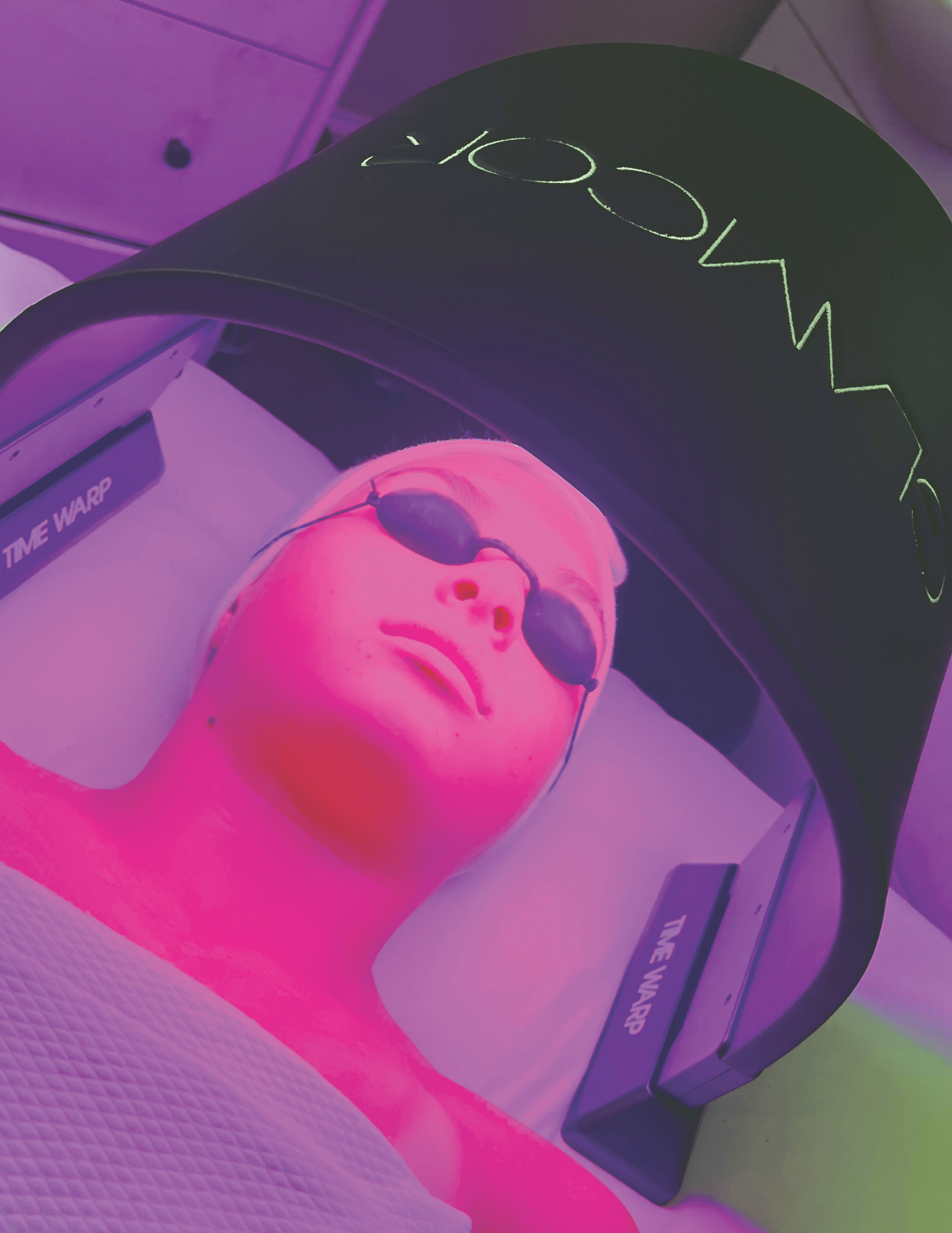
In today’s rapidly evolving aesthetics industry, clients are looking for treatments that are effective, non-invasive and require little to no downtime. Red and blue light therapy, also known as LED (light emitting diode) therapy, has become one of the most credible technologies for improving skin health and enhancing the results of professional treatments. Once used primarily in medical settings to promote wound healing, LED therapy is now widely used in spas, medical spas and dermatology offices.
LED therapy does not damage the skin’s surface. Instead, specific wavelengths of light penetrate the skin at varying depths to stimulate natural biological processes. Different colors of light target different concerns, with red and blue light being the most commonly used in aesthetic treatments.
Red light therapy is best known for its anti-aging and skin rejuvenation benefits. Typically delivered at wavelengths around 630 to 660 nanometers, red light penetrates into the deeper layers of the skin where collagen and elastin are produced.
Collagen is responsible for keeping skin firm, smooth and youthful. As we age, collagen production naturally declines, leading to fine lines, wrinkles and loss of elasticity. Red light stimulates cells, encouraging the body to produce new collagen and support healthier skin over time.
In addition to improving collagen production, red light therapy helps reduce inflammation, improve circulation and accelerate the skin’s natural healing process. Over time, clients often notice brighter, healthier-looking skin, while improvements in texture, firmness and fine lines become more noticeable with consistent use over several weeks. Red light therapy has become a popular addition to anti-aging facials, microneedling procedures and post-laser recovery protocols.
Another significant advantage of red light therapy is its ability to reduce redness and calm irritated skin. Clients with sensitive skin, rosacea or post-procedure inflammation often experience faster recovery and greater comfort when LED therapy is incorporated into their treatment plan.
Blue light therapy serves a different but equally valuable purpose in aesthetics. Delivered at wavelengths typically ranging from 405 to 470 nanometers, blue light works near the skin’s surface to target the bacteria associated with acne development. When exposed to blue light, these bacteria produce reactive oxygen that destroys the bacteria without damaging surrounding tissue. This makes blue light therapy a safe, drug-free option for managing mild to moderate acne.
For teenagers struggling with acne, adults experiencing hormonal breakouts or clients with oily, congested skin, blue light therapy can significantly reduce active blemishes and help prevent future flare-ups. Unlike some acne medications, LED therapy does not cause dryness, peeling or increased sensitivity when used appropriately. Many estheticians incorporate blue light into acne treatment programs to complement professional extractions, chemical peels and customized skincare regimens.
One of the greatest strengths of LED therapy is its ability to combine red and blue light in a single treatment. This addresses multiple concerns simultaneously by reducing acne-causing bacteria while calming inflammation and stimulating skin repair. Clients with adult acne, who often struggle with both breakouts and signs of aging, benefit greatly from combination LED treatments.
At-home LED devices have become increasingly popular. Professional-grade home masks allow clients to continue treating their skin between appointments, helping maintain results achieved during professional treatments. While at-home devices generally have lower power output than those used by professionals, consistent use several times each week can provide meaningful improvements over time.
Although LED therapy is not a replacement for procedures such as lasers, injectables or surgery, it serves as an outstanding complementary treatment that supports healthier, more resilient skin.

